AI glossary
AI moves fast, and many words show up every day without anyone explaining what they actually mean. Here each term gets its own page, explained as if to someone starting from zero. The terms are hand-picked: not everything, just the concepts in this field worth knowing.
| Preview | Term | Core explanation | Domain |
|---|---|---|---|
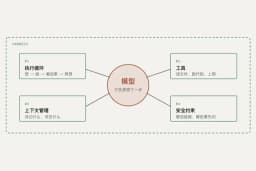 | Harness Reviewed 11/23/2026 | The whole runtime system wrapped around a model: the execution loop, tool calls, context management, and safety constraints that turn a model from answering questions into completing tasks on its own. | Runtime |
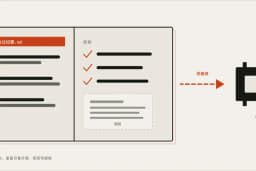 | Skill Reviewed 08/31/2026 | An instruction manual written for AI: write down how a job should be done (steps, rules, templates) and it follows them. | Applications |
 | MCP Reviewed 08/31/2026 | A universal plug that connects AI to your files, calendar, email, and databases. The key word is universal: everything connects the same way. | Protocols |
 | AI Agent Reviewed 08/23/2026 | Ordinary AI gives you an answer; an AI agent keeps working toward a goal. It is the kind of AI that observes, calls tools, and checks its own results. | Applications |
About this glossary
One term per page, explained for complete beginners
AI has been coining words faster than anyone can keep up. Agents, MCP, tool use, context windows: you see them on X, in docs, and from colleagues every day, but asked to explain one, most of us can only give a rough idea. The problem is not you. Most explanations are written for people who already understand: the definition contains three more terms, so you finish reading having only moved the confusion somewhere else.
So this glossary works the other way round. Each term gets a full page that starts with why you ran into the word, explains the mechanism in plain language, and then returns to the standard definition. It assumes no prior concepts. Each page is also designed on its own, because the right visual for explaining a concept depends on the concept; a template can't do it.
Inclusion policy
Not exhaustive, just the concepts worth knowing
A dictionary aims to be complete; this glossary aims for understanding. Once the goal becomes covering more, depth is the first thing sacrificed, so the total is capped at 50 and every term included has to be explained thoroughly. These rules are written into the code, and every candidate term is judged against them:
- In: terms that appear in the first-party docs of at least two vendors, or that practitioners use without explaining
- Out: single-vendor product names the industry hasn't adopted, or terms hot in papers but not yet in products
- Outdated terms stay: they are marked as outdated and redone, because how a meaning changed is knowledge too
- Capped at 50: ten terms explained properly beat a hundred filler entries
Every entry in the table carries a "Reviewed" date for the same reason: in AI, half a year can make an explanation stale. Rather than pretend the content stays valid forever, the date of the last human review is shown, so you can judge for yourself whether it is still current.
Who it is for
Who will get the most out of it
People just starting to follow AI
You meet new words every day, but every explanation assumes you already know three others. Every page here starts from zero; read any one on its own, in any order.
People who need to explain AI to others
Onboarding newcomers, giving talks, aligning with non-technical colleagues. These pages are themselves examples of explaining a concept to a layperson, and work as ready-made talking points.
People who want to check their understanding
Words you have used many times but never really explained. Five minutes with a page often shows you had it slightly wrong all along.
FAQ
FAQ
How is this glossary different from an encyclopedia or a dictionary?
A dictionary gives you a definition; this gives you understanding. Each term gets a full page that starts with why you ran into the word, explains the mechanism in plain language, and only then returns to the standard definition. It assumes you know nothing: no prerequisite concepts, and no "it's a kind of…" that just passes the problem to another term.
Why are there so few terms?
Because they are picked by hand, and deliberately not exhaustive. The bar: a word that appears in the first-party docs of at least two vendors, or one practitioners use without explaining. Buzzwords from papers and single-vendor product names are left out for now. Ten terms explained properly beat a hundred filler entries, so the total is capped at 50.
What happens when a term's meaning changes?
It isn't deleted; it is marked as outdated and redone. How a word's meaning shifted is itself knowledge about the field: "agent" meant something very different in 2023 than it does now, and erasing the old version would erase that shift too.
What does "Reviewed" mean?
The date someone last read the entry by hand. In AI, half a year can make an explanation stale, so every entry carries a date and you can judge for yourself whether it is still current. It is not an automatic timestamp; the page was genuinely re-read.
Why does every entry look different?
Because each page is designed on its own. The right visual for explaining a concept depends on the concept: a process and a comparison shouldn't share a template. It takes more time per page, but you won't start skimming by the third entry.
The term I want isn't here. Can I suggest it?
Yes. Just tell me on X. Whether it gets added depends on the bar above, but every suggestion is read.
Is a term you want missing?
Tell me on X →